


Posts by François Bar
Broadband Affordability and the BEAD Program: Analysis and Policy
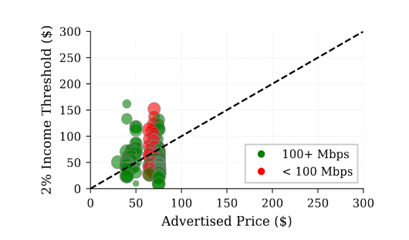
This policy brief seeks to support states in their assessment and monitoring of low-cost services offered by BEAD grantees. The brief proposes concrete affordability benchmarks and provides evidence-based recommendations to help strike the appropriate balance between service affordability and the long-term sustainability of BEAD recipients. The evidence reveals that achieving BEAD’s objective of facilitating access…
Read MoreBEAD Program Targeting: A preliminary analysis
The BEAD program is the flagship initiative of the Infrastructure Investment and Jobs Act (IIJA) to address inequalities in broadband access. Administered by the National Telecommunications and Information Administration (NTIA), the program provides $42.45 billion to states and U.S. territories to expand high-speed Internet, primarily through direct grants to service operators. Congress established that the…
Read MoreCan automation promote digital equity by boosting enrollment in connectivity subsidy programs?
With the expiration of the ACP (Affordable Connectivity Program) benefit in May 2024, Lifeline remains the only alternative federal program that supports digital connectivity for low-income families. Yet for a variety of reasons, Lifeline enrollment has been declining since its peak in the early 2010s. One reason is the complex web of procedures to demonstrate…
Read MorePromoting Digital Equity by Automating Enrollment in Consumer Support Programs
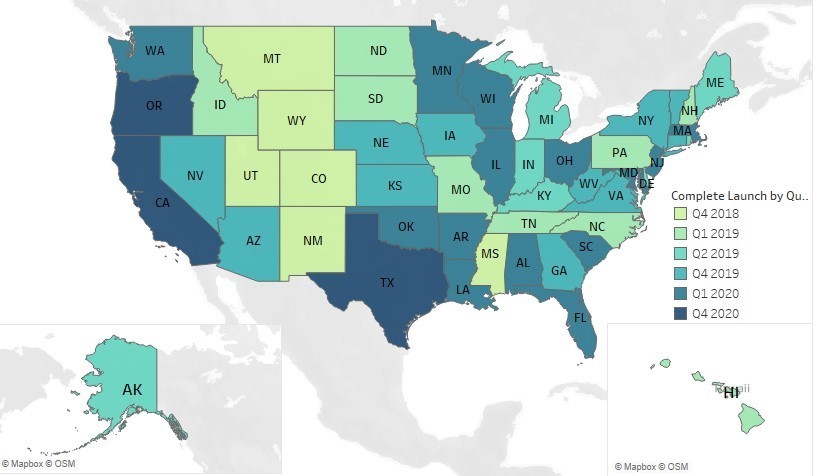
Lifeline and the now defunct ACP (Affordable Connectivity Program) have helped millions of families afford Internet services that support online learning, remote work, and access to telehealth, among many other uses linked to social and economic wellbeing. However, individuals and families entitled to receive these benefits often have to navigate a complex web of procedures…
Read MoreEvaluating the Impact of the Affordable Connectivity Program
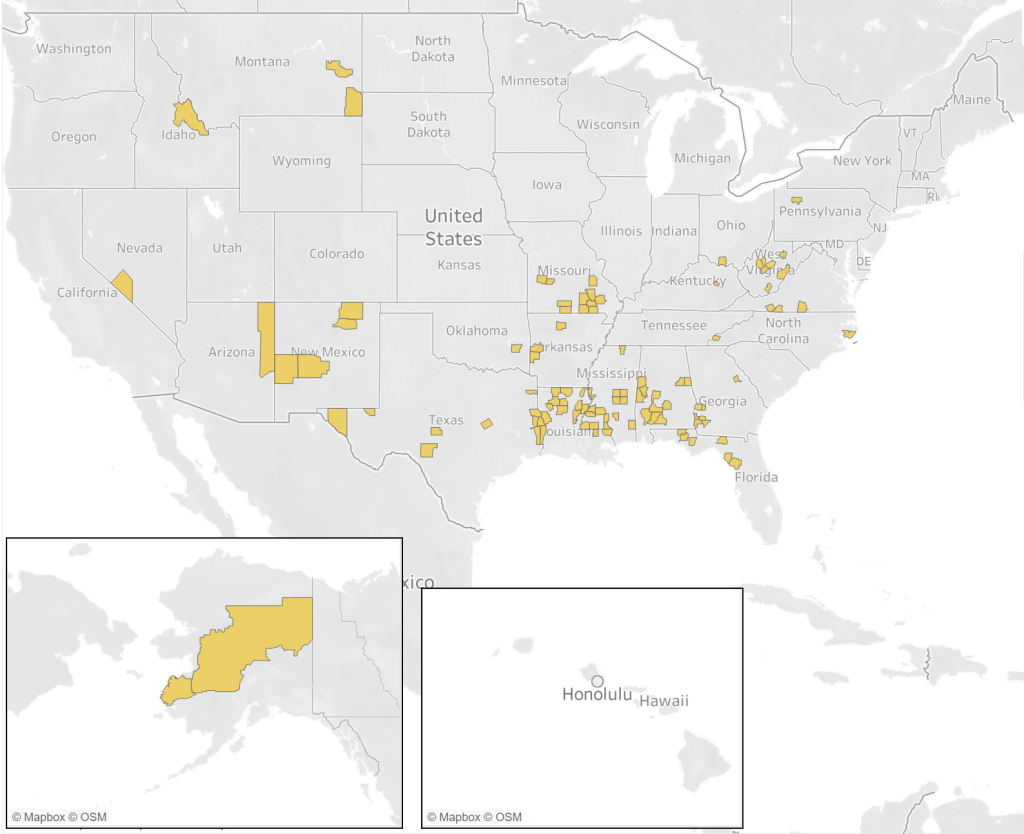
Did ACP have a measurable impact on broadband access? Did the program help connect low-income families that otherwise would not have been connected? As the ACP program winds down, these questions become ever more important for policymakers and policy advocates. In this study, we offer preliminary evidence that ACP in fact helped increase broadband adoption…
Read MoreEvaluating the Impact of the Affordable Connectivity Program (ACP)
Did ACP have a measurable impact on broadband access? Did the program help connect low-income families that otherwise would not have been connected? As the ACP program winds down, these questions become ever more important for policymakers and policy advocates. In this study, we offer preliminary evidence that ACP in fact helped increase broadband adoption…
Read MoreThe Future of the Affordable Connectivity Program
Blog Post #2: Analyzing the Impact of Potential Changes to Program-Based Eligibility In the first post of this series on the future of the ACP program, we analyzed potential changes to the income threshold used to determine ACP eligibility. In this second post, we turn our attention to potential changes to the eligibility criteria based…
Read MoreAnalyzing the Impact of Potential Changes to the ACP Eligibility Criteria
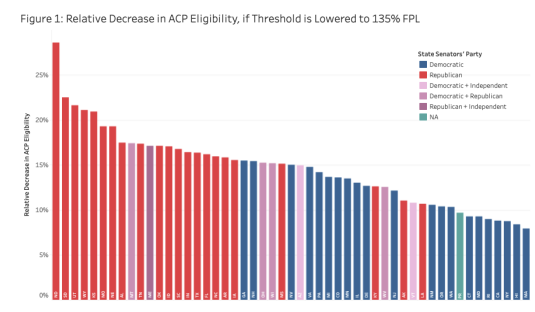
This publication, “The Future of the Affordable Connectivity Program (ACP): Examining the Impact of Changes to the Eligibility Criteria on Vulnerable Populations” presents three research analyses on potential modifications to ACP eligibility criteria and their impacts on program participation, vulnerable populations, and program costs. Specifically, the analyses focus on: 1) “Analyzing the Impact of Potential…
Read MoreThe Future of the Affordable Connectivity Program.
Blog Post #1: Analyzing the Impact of Potential Changes to the ACP Eligibility Criteria
Read MoreBroadband for all: The Affordable Connectivity Program (ACP) benefits households across party lines
Discussions about funding for social programs are too often framed along predictable partisan lines. However, the reality on the ground is frequently more complex, and the Affordable Connectivity Program (ACP) is no exception. A simple look at the data reveals that the program supports connectivity for families in both red and blue communities, and that…
Read More